
Hoodie Value Calculator
Compare the true cost of ownership between a fast-fashion hoodie and a premium investment piece.
Budget Hoodie
Premium Hoodie
The Verdict
Note: This calculation assumes similar usage patterns. If you wear the premium hoodie more frequently due to comfort or style preference, its value proposition increases further. Remember to check GSM (fabric weight) and fiber quality as noted in the article. Look for 350+ GSM and natural fibers for best longevity.
You’re standing in a store or scrolling online, eyeing a hoodie that costs $150. Then you look at the one on the rack next to it for $30. The difference? Mostly the label and maybe a slightly thicker feel. So, are expensive hoodies actually worth the extra cash, or is it just marketing fluff?
Here’s the truth: not all premium hoodies are created equal, but there is a tangible point where paying more gets you something fundamentally better. It’s not about looking rich; it’s about how the garment behaves after ten washes, how it feels against your skin during a cold York morning, and whether it holds its shape or turns into a lumpy rag. Let’s break down exactly what you’re paying for so you can decide if the price tag matches the performance.
The Fabric Difference: GSM and Fiber Quality
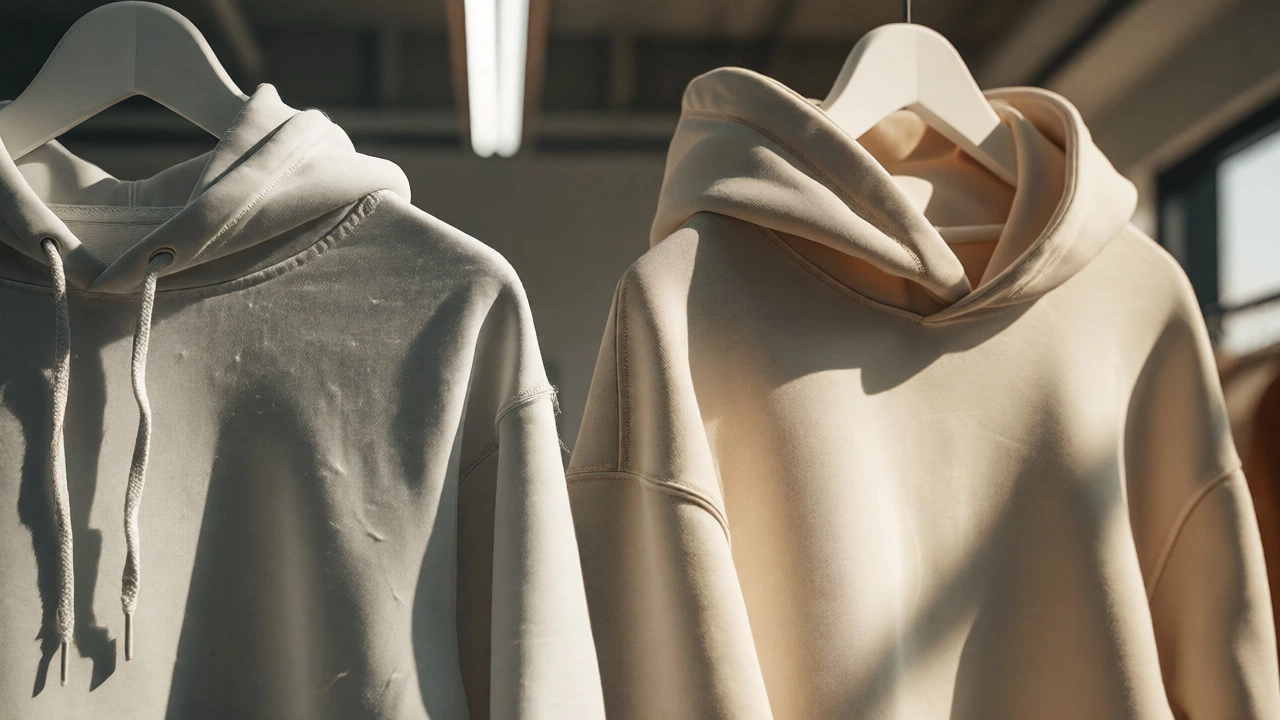
The biggest differentiator between a cheap hoodie and a high-end one isn’t the logo-it’s the fabric. Cheap hoodies typically use lightweight cotton blends (around 200-250 GSM) with short-staple fibers. These fibers are prone to pilling, shrinking, and losing softness quickly. Premium brands often use heavyweight cotton (400+ GSM) or specialized blends like French Terry or loopback cotton.
French Terry is a knit fabric with loops on the inside and smooth loops on the outside. It’s breathable yet warm, making it ideal for layering. In contrast, standard fleece-lined hoodies from fast fashion brands often use polyester-heavy linings that trap sweat and smell bad after two wears. When you pay more, you’re usually buying longer staple cottons, like Pima or Supima, which resist pilling and maintain their structural integrity over years, not months.
- GSM (Grams per Square Meter): This measures fabric weight. Under 300 GSM is thin. 350-450 GSM is substantial. Over 450 GSM is heavy-duty.
- Fiber Length: Longer fibers mean fewer loose ends, resulting in less fuzz and pilling.
- Composition: Look for 100% cotton or high-cotton blends. Avoid anything with more than 20% polyester unless you need specific moisture-wicking properties.
Construction Details That Matter
Have you ever noticed how a cheap hoodie’s seams twist around the front after washing? That’s because they were cut poorly or sewn with low-tension machines. High-quality manufacturers take time to ensure grain alignment. They also use reinforced stitching in stress points like the shoulders and pocket openings.
Another telltale sign is the hood itself. On budget options, the hood is often a single layer of fabric attached with basic stitching. It collapses when you pull the drawstrings tight. Premium hoodies feature double-layered hoods, sometimes with structured interfacing, allowing them to stand up properly even without the strings pulled. The drawstrings themselves should be durable corduroy or thick cotton, not thin plastic-coated strings that fray within weeks.
| Feature | Budget ($30-$50) | Premium ($100+) |
|---|---|---|
| Stitching Type | Single needle, low tension | Double needle, bar-tacked stress points |
| Hood Structure | Single layer, floppy | Double layer, structured |
| Cuffs & Hem | Thin ribbing, loses elasticity | Heavyweight ribbing, retains shape |
| Dye Method | Garment dyed (uneven) | Yarn dyed or pigment dyed (consistent) |
Fit and Silhouette Stability
A well-made hoodie fits like a glove-or rather, like a relaxed, intentional drape. Cheap hoodies often suffer from poor pattern grading. You might find sleeves that are too long for the body length, or a boxy cut that looks sloppy rather than stylish. Premium brands invest heavily in R&D to perfect their fit across different sizes.
Consider the shoulder seam. On cheaper garments, this seam often sits awkwardly, either falling off the shoulder or cutting into the neck. High-end brands use ergonomic patterning to ensure the hoodie moves with you. If you’re wearing it under a coat or jacket, a bulky, ill-fitting hoodie creates uncomfortable bunching. A tailored premium hoodie layers seamlessly, maintaining a clean silhouette whether you’re heading to a café or a casual office environment.

Longevity and Cost Per Wear
Let’s do some quick math. A $30 hoodie might last six months of regular wear before it pills, shrinks, or loses its shape. That’s a cost of roughly $5 per month. A $150 hoodie, made with superior materials and construction, could easily last three to five years. That drops the cost to about $2.50-$4.00 per month.
But longevity isn’t just about durability; it’s about aesthetic retention. Does the color fade after five washes? Do the pockets sag? Fast fashion prioritizes volume over durability. Their goal is to get you to buy the next trend next season. Luxury and heritage brands build reputation on products that survive decades. If you wear a hoodie daily, the premium option almost always wins on value over time.
When Are Expensive Hoodies NOT Worth It?
Not every expensive hoodie deserves your money. Here’s when you should keep your wallet closed:
- Pure Brand Tax: If you’re paying $200 solely for a logo on the chest, and the fabric is standard 300 GSM cotton with no special construction, you’re overpaying. Check the material composition tag first.
- Trend Chasing: If the hoodie features a loud print or unique cut that will feel dated in two years, stick to mid-range options. Timeless styles justify higher investment.
- Misleading Marketing: Some "luxury" streetwear brands outsource production to the same factories as mid-tier brands but mark up prices by 300%. Research the manufacturer or read detailed reviews focusing on fabric weight and stitching.

How to Spot Quality Before Buying
You don’t need to be a textile expert to judge quality. Use these heuristics when shopping, especially online:
- Check the GSM: If the product description lists fabric weight, aim for 350 GSM or higher for a substantial feel. If it doesn’t list it, assume it’s lighter weight.
- Look for Reinforced Seams: Zoom in on photos of the interior seams. Are they finished with overlock stitching? Is there taping along the shoulder seams? These prevent fraying and add structure.
- Read Reviews About Washing: Ignore reviews about style. Search for keywords like "shrink," "pill," "fade," and "stretch." Real users will tell you how the garment behaves post-laundering.
- Feel the Weight: If you’re in-store, lift the hoodie. Heavy doesn’t always mean good, but light often means thin. Compare it to a known benchmark, like a standard university sweatshirt.
Top Brands Known for Value (Not Just Hype)
While hypebeast brands like Supreme charge premiums for scarcity, other brands charge for actual craftsmanship. Consider these alternatives:
- Rainbow Club: Known for heavy-weight cotton and excellent cuts, offering genuine quality at a mid-premium price point.
- Sunspel: A UK-based brand specializing in high-quality basics. Their hoodies use luxurious cottons and refined fits.
- Carhartt WIP: Offers durable workwear-inspired hoodies that balance toughness with streetwear aesthetics. Great value for longevity.
- Nudie Jeans: Uses organic cotton and ethical production methods. Their hoodies soften beautifully over time.
These brands prioritize material integrity over logo placement. You’re paying for the fabric and the factory conditions, not just the name on the hangtag.
The Verdict: Buy Based on Usage
So, are expensive hoodies worth it? Yes, if you treat them as a core wardrobe staple. If you wear a hoodie three times a week for the next five years, investing $150-$200 saves you money and frustration compared to replacing a $40 hoodie annually.
If you only wear hoodies occasionally-say, once a month for lounging-a mid-range option ($60-$80) from a reputable retailer is sufficient. But avoid the bottom-of-the-barrel $20 options unless you view them as disposable. The sweet spot for most people is a well-constructed, heavyweight hoodie from a brand focused on basics rather than hype. It’s an investment in comfort, confidence, and sustainability.
Do expensive hoodies shrink more than cheap ones?
Generally, no. In fact, premium hoodies are often pre-shrunk or sanforized during manufacturing to minimize shrinkage. Cheap hoodies frequently skip this step to save costs, leading to significant size changes after the first wash. Always follow care instructions, but expect less shrinkage from high-quality garments.
Is heavyweight cotton always better?
Heavier cotton (400+ GSM) offers more durability and warmth but can be too hot for indoor use or mild climates. For versatility, a mid-weight heavyweight (350-400 GSM) is often the best choice. It provides structure without overheating, making it suitable for year-round wear in temperate regions like the UK.
How do I wash a premium hoodie to make it last?
Wash in cold water on a gentle cycle to preserve fiber integrity and dye. Turn the hoodie inside out to protect the outer surface from abrasion. Avoid tumble drying on high heat; instead, lay it flat to dry or hang it. High heat breaks down elastic fibers in cuffs and hems, causing them to bag out prematurely.
Why do some expensive hoodies feel scratchy?
Some premium hoodies use raw, unwashed cotton or specific wool blends that require a break-in period. Unlike fast-fashion hoodies treated with heavy chemical softeners, natural fibers may feel stiffer initially. After a few washes, they typically soften significantly while retaining their structure. If it remains scratchy after multiple washes, the fiber quality may be poor despite the price.
Can I find good quality hoodies under $100?
Absolutely. Many heritage workwear brands and direct-to-consumer labels offer excellent hoodies in the $60-$90 range. Look for brands that disclose fabric weight and country of origin. Avoid major fast-fashion chains, as their quality control is inconsistent. Mid-tier brands often provide 80% of the quality of luxury brands at half the price.