
Active Wear vs Sportswear Selector
Your Activity Profile
Select your options and click "Get Recommendation" to see what type of gear fits your lifestyle.
Quick Summary
- Active wear is designed for movement, comfort, and style during low-to-moderate intensity activities like yoga or walking.
- Sportswear is engineered for high-intensity performance, offering technical features like impact protection and moisture management for specific sports.
- The main difference lies in function: active wear prioritizes versatility and aesthetics, while sportswear prioritizes performance and durability.
- You can mix the two, but wearing casual active wear to a high-impact sport may lead to discomfort or injury.
- Fabric technology is the biggest divider-moisture-wicking synthetics dominate sportswear, while natural blends are common in active wear.
Why the Confusion?
Walk into any clothing store today, and you’ll see racks labeled “Athleisure,” “Performance,” and “Activewear” all mixed together. It’s easy to assume that if it has a logo of a running shoe on it, it’s the same thing. But if you’ve ever tried to do a HIIT workout in a pair of trendy leggings or worn your heavy-duty soccer shorts to a casual brunch, you know there’s a gap between these categories. The line isn’t just marketing fluff; it’s about fabric science, design intent, and how your body actually moves.
Understanding the difference between active wear and sportswear helps you stop wasting money on gear that doesn’t fit your lifestyle. You might not need compression tights for a gentle Pilates session, just as you shouldn’t rely on soft cotton joggers for a marathon. Let’s break down exactly what separates them so you can dress for your actual needs.
Defining Active Wear: Style Meets Movement
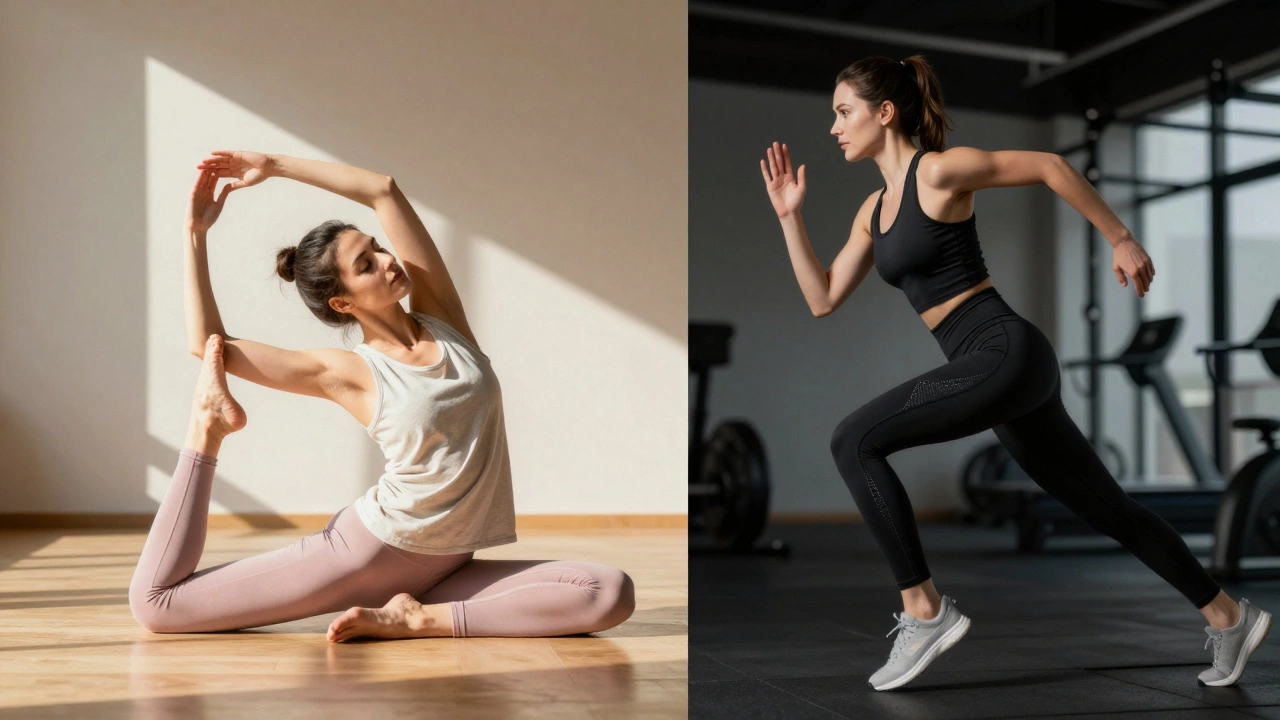
Active wear is clothing designed for physical activity that emphasizes comfort, flexibility, and aesthetic appeal. It bridges the gap between gym gear and everyday streetwear. Think of it as the outfit you wear when you’re moving around but not necessarily pushing your body to its absolute limit.
The key characteristic of active wear is versatility. It’s built for low-to-moderate intensity activities. This includes things like:
- Yoga and Pilates
- Casual walking or light jogging
- Gym stretching sessions
- Dancing (like Zumba or ballet barre)
If you look at the construction, active wear often uses softer fabrics. You’ll see lots of cotton blends, modal, or lightweight polyester. The goal here is to feel good against the skin and look good while doing it. Brands focus heavily on cuts that flatter the body, seamless designs to prevent chafing during slow movements, and colors that work outside the gym. It’s fashion-first, function-second-but the function still matters enough to let you move freely.
Defining Sportswear: Engineered for Performance
Sportswear is technical apparel specifically engineered for high-intensity athletic performance and safety. Unlike active wear, sportswear is not designed to be worn casually. It is built to withstand sweat, friction, impact, and extreme weather conditions.
Sportswear is task-specific. If you play tennis, swim, run marathons, or lift heavy weights, you need sportswear. The design focuses entirely on optimizing your performance and protecting your body. Features include:
- Moisture-wicking technology to keep you dry
- Compression support for muscle stability
- Reinforced stitching in high-stress areas
- UV protection for outdoor athletes
- Aerodynamic cuts to reduce drag
For example, a runner’s shirt will have mesh panels under the arms for ventilation because overheating stops performance. A basketball player’s shorts will have internal briefs for support during jumping. These aren’t style choices; they are functional necessities. Sportswear often looks technical, with visible seams, logos, and synthetic textures that scream “I’m working hard.”
The Fabric Factor: Cotton vs. Synthetics
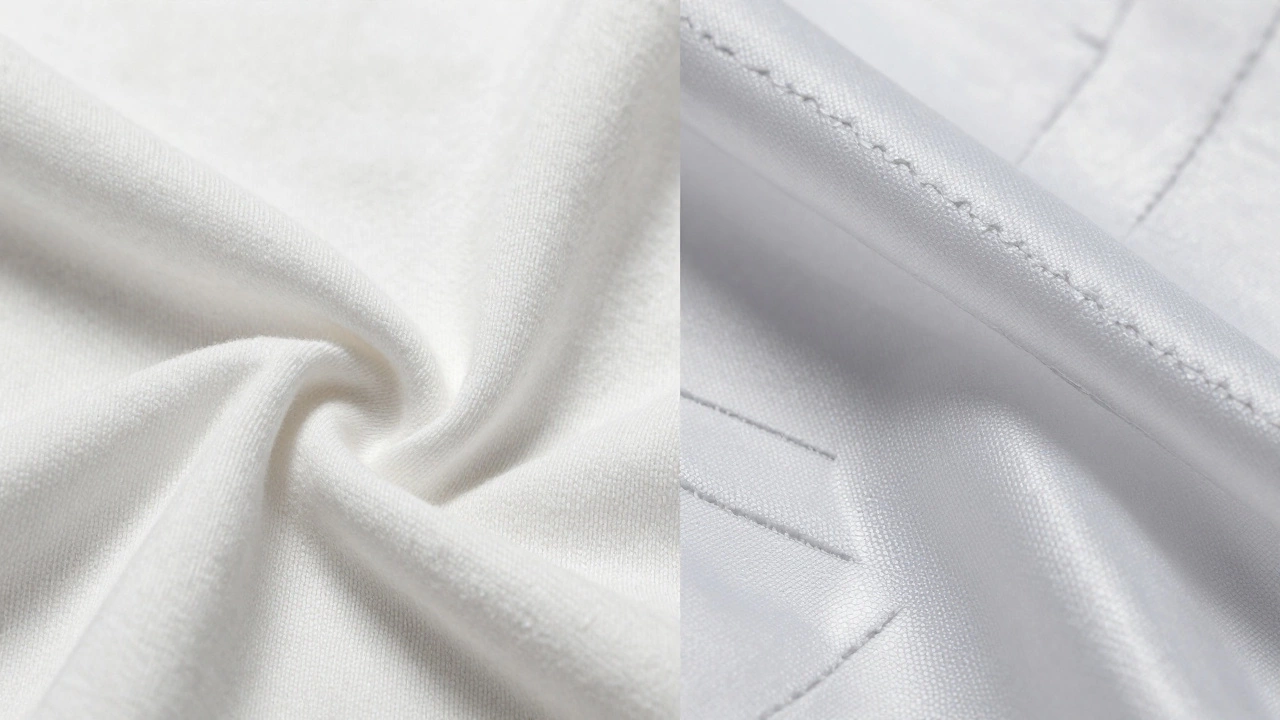
One of the easiest ways to tell the difference is by touching the material. Active wear leans toward natural fibers or soft blends. Cotton is king here because it feels comfortable and breathable for low-sweat activities. However, cotton absorbs moisture, which is why it fails in high-intensity scenarios.
Sportswear, on the other hand, relies almost exclusively on synthetic materials like polyester, nylon, and spandex (or elastane). These fabrics are hydrophobic-they repel water. When you sweat, the fabric pulls moisture away from your skin to the outer surface where it evaporates. This process, known as wicking, keeps your body temperature regulated. In sportswear, breathability and quick-drying capabilities are non-negotiable.
| Feature | Active Wear | Sportswear |
|---|---|---|
| Primary Goal | Comfort & Style | Performance & Protection |
| Intensity Level | Low to Moderate | High to Extreme |
| Common Fabrics | Cotton blends, Modal, Soft Polyester | Polyester, Nylon, Spandex, Technical Mesh |
| Sweat Management | Absorbent (can get heavy) | Wicking (keeps you dry) |
| Fit | Relaxed or Fitted | Compressed or Aerodynamic |
| Lifespan | Medium (wears out faster with wash) | High (built to endure stress) |
Design Intent: Versatility vs. Specialization
Think about where you wear each type. Active wear is designed to transition. You can wear your yoga pants to the grocery store, then to a coffee shop, and finally to a casual Friday office meeting. The design language is subtle. Logos are small or hidden. Colors are often neutral or trendy pastels. The silhouette is flattering rather than restrictive.
Sportswear is specialized. A swimsuit isn’t designed to be worn outside the pool-it’s too revealing and lacks coverage for social settings. Cycling shorts have padded seats (chamois) that are uncomfortable for sitting on a couch. Running shoes have stiff heels and aggressive tread that would hurt your feet if you walked in them all day. Sportswear sacrifices social versatility for athletic efficiency. If you’re playing competitive soccer, you don’t care if your jersey looks flashy; you care that it doesn’t restrict your shoulder rotation.
When to Choose Which?
Your choice depends entirely on your activity level and environment. Here’s a simple rule of thumb:
Choose Active Wear if:
- You are doing low-impact exercises like yoga, stretching, or light cardio.
- You plan to wear the clothes outside the gym immediately after.
- Comfort and aesthetics are more important than technical performance.
- You live in a climate where you won’t be sweating heavily.
Choose Sportswear if:
- You are engaging in high-intensity interval training (HIIT), running, or team sports.
- You expect to sweat significantly.
- You need specific support, such as compression for leg muscles or padding for cycling.
- You are competing or training seriously.
The Rise of Athleisure: Blurring the Lines
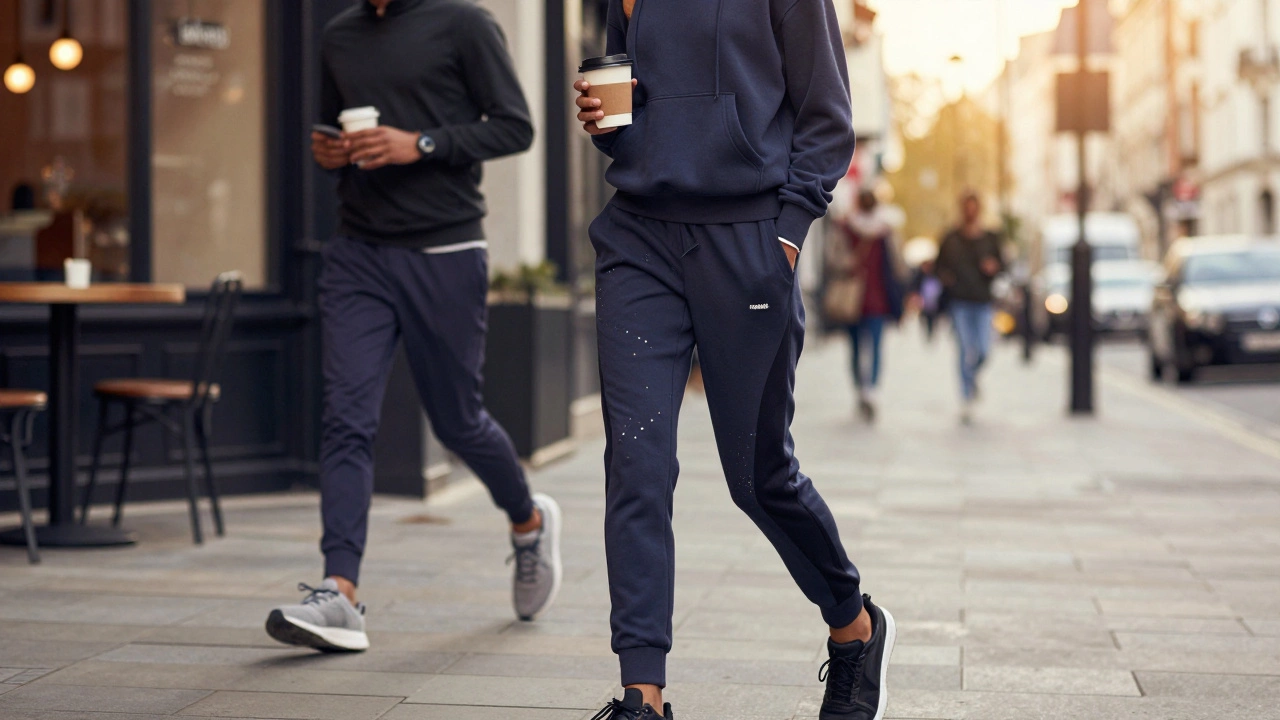
In recent years, the term athleisure has entered the mainstream. This category sits right between active wear and casual fashion. It takes the comfort of active wear and applies it to non-gym contexts. Think of high-end joggers, sleek hoodies, and stylish sneakers. While athleisure borrows from active wear, it doesn’t always offer the performance benefits of true sportswear. Don’t mistake a fashionable hoodie for a thermal layer designed for winter running. They look similar, but their functions are worlds apart.
Cost and Durability Considerations
Generally, sportswear costs more. Why? Because of the R&D behind the fabrics. Technologies like Gore-Tex for waterproofing or proprietary cooling meshes require expensive manufacturing processes. Active wear, being simpler in construction, is often cheaper and more widely available. However, cheap active wear may pill or lose shape after a few washes. High-quality sportswear is built to last through hundreds of intense workouts, making it a better long-term investment for serious athletes.
Mixing and Matching: Is It Safe?
Can you mix active wear and sportswear? Yes, but with caution. Wearing sportswear bottoms (like technical shorts) with an active wear top (like a soft cotton tee) is fine for moderate workouts. However, avoid wearing active wear tops during high-intensity sessions. Cotton shirts become heavy, clingy, and cold when wet, which can lead to chafing and even hypothermia in cold weather. Always prioritize technical fabrics for the parts of your body that sweat the most-usually the torso and inner thighs.
Can I wear active wear to the gym?
Yes, absolutely. Active wear is perfect for the gym if you are doing low-to-moderate intensity exercises like weight lifting, yoga, or using ellipticals. Just ensure the fabric allows for full range of motion.
Is sportswear suitable for everyday wear?
While you *can* wear sportswear daily, it’s often uncomfortable for long periods. Compression garments restrict blood flow if worn too long, and technical fabrics may feel less breathable in sedentary environments compared to cotton blends.
What is the best fabric for high-intensity workouts?
Synthetic blends like polyester and spandex are best. They wick sweat away from the skin and dry quickly. Avoid 100% cotton for high-intensity activities as it retains moisture and becomes heavy.
Does active wear provide enough support for running?
Generally, no. Active wear bras and shorts often lack the structural support needed for running. For running, choose sportswear with encapsulation support and secure fits to prevent injury and discomfort.
How do I clean sportswear to maintain its performance?
Wash sportswear in cold water and avoid fabric softeners, which can clog the pores of technical fabrics. Hang dry whenever possible to preserve elasticity and moisture-wicking properties.